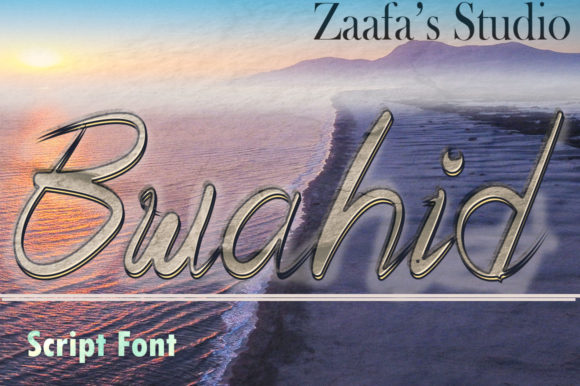
Bwahid: A Handwritten Font That Brings Craft Projects to Life
There’s something magical about the right font. It can transform a simple label into a statement, elevate a greeting card from ordinary to unforgettable, or turn a plain mug into a cherished keepsake. As someone who spends hours designing handmade products and digital printables, I know how important typography is to the overall feel of what we create. Recently, I stumbled upon Bwahid, a flowing handwritten font that has quickly become one of my go-to typefaces for adding an elegant, personal touch to everything from candle labels to boutique tags.
First Impressions: The Beauty in the Flow
I was working on a new line of soy candles when I first saw Bwahid. I had been struggling to find a font that felt both soft and sophisticated — something that would reflect the natural, artisanal vibe of my products without looking too casual or too formal. When I opened up the font preview, I was instantly drawn to its smooth, organic curves and delicate flourishes. Each letter feels like it was written with intention, as if crafted by hand with care and grace.
The visual personality of Bwahid is warm and inviting, with just the right amount of flair. It’s not overly ornate like some script fonts can be, nor is it too minimalist. Instead, it strikes a perfect balance between elegance and approachability. That makes it ideal for a wide range of creative uses, especially where you want to evoke a sense of authenticity and charm.
Putting Bwahid to Work in My Shop
Since discovering Bwahid, I’ve used it across several product types. Here are a few real-life examples of how it’s enhanced my designs:
- Candle Labels: For my latest candle collection, I paired Bwahid with a muted watercolor background. The contrast between the soft colors and the bold, flowing letters made each label feel like a work of art. Customers commented on how beautiful they looked before even lighting the candle!
- Greeting Cards: I love using Bwahid for titles and featured phrases on birthday cards. Its distinct style adds a touch of class while still feeling personal and heartfelt. It’s particularly effective when combined with hand-drawn illustrations or floral accents.
- Wedding Invitations: I created a set of rustic-style wedding invites using Bwahid for the main text. The font’s timeless appeal gave the invitations a romantic and vintage feel that matched the theme perfectly. I also used it for the “Welcome” sign at the venue, printed on kraft paper for a cohesive look.
- Planner Pages: For a printable planner template, I chose Bwahid for section headers and motivational quotes. It brought a soft, handwritten aesthetic that felt calming and inspiring — exactly what you want in a daily planner.
- Wall Art & Digital Printables: Whether it’s a minimalist quote poster or a festive holiday banner, Bwahid works beautifully for display purposes. Its flowing nature draws the eye and gives any design a sense of movement and life.
Why Bwahid Works So Well for Makers
What makes Bwahid stand out isn’t just its appearance; it’s the way it fits naturally into the handmade world. As a premium font from Script Amp, it offers the quality and consistency needed for commercial use, which is a big plus for Etsy sellers and product creators. You’ll notice subtle variations in the strokes and spacing that mimic the natural imperfections of handwriting, making it feel more genuine and less mechanical.
It’s especially well-suited for short phrases, names, and decorative wording. Think of it as your secret ingredient for adding a personal signature to every project. Whether you’re crafting a boutique tag or printing a batch of seasonal stickers, Bwahid brings a level of sophistication that elevates the final product.
Designing with Bwahid: Tips for Real-World Use
Here’s how I’ve approached using Bwahid in different formats to ensure it looks great in both digital and physical spaces:
- For Cutting Machines (Cricut or Silhouette): I always check the included SVG-style files before cutting. Bwahid works well for small stickers and tags because the letters maintain their legibility even at lower sizes. Just make sure to avoid overly intricate ligatures when working with very tiny text.
- Printed Materials: When printing labels or cards, I test the font at various weights and sizes. Bwahid’s clean lines and open spacing make it easy to read while still being visually appealing. I often pair it with a simple serif or sans serif font for body text to keep the layout balanced.
- Digital Mockups: In shop listings, I use Bwahid for title text and key phrases to catch attention. The emotional appeal of the font helps customers connect with the product on a deeper level. For example, a “Happy Birthday” banner in Bwahid feels more heartfelt than one in a standard font.
- Seasonal Products: During the holidays, I designed custom gift tags and packaging inserts using Bwahid. The font’s versatility allowed me to switch between formal and playful styles depending on the season or occasion. From farmhouse-style thank-you notes to chic New Year’s countdown posters, it adapts beautifully.
Pairing Bwahid with Other Fonts for Balanced Design
One of the things I appreciate most about Bwahid is how easily it pairs with other fonts. Because it’s a display font with a strong visual presence, it needs a complementary typeface to keep the design from feeling cluttered. Here are a few combinations I’ve found to work well:
- Bwahid + Lato: This pairing adds contrast and clarity. Lato, a modern sans serif, provides a clean backdrop for Bwahid’s expressive script, making it perfect for product packaging and branding materials.
- Bwahid + Playfair Display: If you're going for a more classic or luxury feel, this combo is a winner. Playfair Display grounds the design with a refined serif, while Bwahid brings the whimsy and warmth.
- Bwahid + Poppins: Ideal for digital templates and planners, Poppins’ geometric simplicity lets Bwahid shine without overwhelming the layout.
When pairing fonts, I always suggest testing them together in real mockups. Sometimes a font looks great on screen but doesn’t translate well when printed or cut. Taking a hands-on approach ensures your final product feels cohesive and intentional.
Making the Most of Bwahid’s Features
Before using Bwahid in any commercial project, I take time to explore its features. It includes a variety of alternates and swashes, which allow for customization and creativity. These little touches can help your brand stand out and give your designs a unique personality.
Also, make sure to review the file formats provided. Bwahid is available in multiple formats like TTF, OTF, and SVG, so whether you're designing in Adobe Illustrator or preparing a Cricut project, there’s likely a version that suits your workflow. If you plan to sell digital downloads, verify that the license supports resale of design assets — it does, and that’s a huge relief for anyone running a small creative business.
Creating Emotional Connections Through Typography
As a maker, I believe our products should tell a story. Typography plays a big role in that narrative. Bwahid, with its timeless and fluid style, helps convey a sense of intimacy and craftsmanship. When I use it for boutique tags or welcome boards, it feels like a personal message to the customer — something handwritten just for them.
This emotional appeal can increase audience engagement. People don’t just buy a product; they buy into the experience it creates. Using Bwahid on product packaging or digital previews gives potential buyers a taste of the personality behind your brand, encouraging trust and connection.
Testing for Readability and Practicality
While Bwahid is undeniably stylish, I always prioritize readability. For instance, when designing a sticker sheet for labeling jars and boxes, I tested the font at different point sizes to ensure it remained clear and legible. I found that using it in all caps for short words helped maintain visibility without sacrificing charm.
On greeting cards, I limit the use of Bwahid to headlines and key messages, saving it for impact rather than overusing it. Too much of a good thing can sometimes dilute the effect, and with a font as expressive as Bwahid, less is often more.
Brand Consistency and Long-Term Appeal
Using Bwahid consistently across your product lineup can help solidify your brand identity. Whether it's on your logo, packaging, or social media graphics, having a recognizable typographic style builds familiarity with your audience. It’s one of those subtle elements that make your brand feel cohesive and professional.
I’ve started incorporating Bwahid into my web design and email headers to maintain a unified look. Over time, customers begin to associate the font with your shop, increasing recognition and loyalty. And since Bwahid is a timeless typeface, it won’t date your designs — something we all strive for in the ever-evolving world of handmade goods and printables.
A Few Things to Keep in Mind
Though Bwahid is incredibly versatile, it’s not the best choice for long paragraphs or dense text. Its flowing nature is meant for display and decorative use. Stick to names, titles, and short phrases where it can truly shine.
Another thing I recommend is checking the multilingual support if you plan to reach a broader audience. While Bwahid covers many common languages, it’s worth confirming that it works for your specific needs before finalizing any international projects.
Lastly, always double-check the commercial font licensing terms before selling products that feature Bwahid. As a responsible seller, knowing your rights and limitations is essential for protecting your business and respecting the font designer’s work.
In my experience, choosing the right font is like selecting the right paint for a canvas — it sets the tone for everything else. Bwahid has become a trusted part of my design toolkit, and I’m excited to see how it continues to shape the look and feel of my handmade creations and digital offerings.